The CUIDAR Model is a Framework that integrates Person, Technology, and Purpose. It transforms technology adoption into sustainable functional and business results.
Developed by Dr. Maria Aparecida Ferreira de Mello after decades of research and clinical practice, the CUIDAR Model rejects the false dichotomy between sophisticated technology and humanized care.
Here, sophistication serves the human: success is measured not only by algorithms, but by the restoration of autonomy, social reintegration, and the preservation of the elderly person's dignity.
The CUIDAR Model is the bridge to a dignified longevity: ensuring that technology fulfills its noblest role — helping older adults reach their full potential and celebrate life.
Validated international metrics integrated with innovation (δ Factor) that measures dignity and autonomy.
δ Factor (Ethical Calibrator) ensures that autonomy and agency are not sacrificed for efficiency. Dignity is a measurable variable, not an abstract value.
Holistic assessment integrating person, technology, and context. Clinical, human, and economic sustainability demonstrable.
An innovation that operationalizes what the market only promises: integrating scientific rigor, digital inclusion, respect for diversity, ethical humanism, and measurable impact in a single framework.
Every technology is indicated with scientific precision — not by intuition, but by robust evidence.
Success is not measured by the sophistication of devices, but by the ability to transform lives. The
CUIDAR Global Index (IG-CUIDAR) is a score from 0 to 100 that classifies impact in two zones:
Magis Zone (>70): Technology that generates autonomy, social connection, and positive ROI.
Critical Zone (<40): Technology that fails — isolation, abandonment, and negative ROI.
To reach this score, the index analyzes the experience through three fundamental axes:
Evaluates direct gains in physical and mental health and the restoration of the older adult's daily independence.
Analyzes whether the home infrastructure, family dynamics, and local culture support or hinder technology use.
Guarantees that the solution has long-term financial viability and respects the older adult unconditionally and freely.
While the market measures downloads, we measure what matters: seven metrics that reveal real impact.
Multidimensional synthesis of indicators
Measures how technology has improved the reserves of body and mind: memory, locomotion, senses (vision/hearing), energy, and joy of living.
Evaluates whether the person performs daily tasks (hygiene, finance, relations) independently, without constant help from others.
Audits physical barriers or facilitators (home accessibility), technical aspects (internet), and family support around the older adult.
Measures the ease and safety of the older adult when navigating the digital world, free of technological frustrations or exclusion.
Measures the alignment of technology with beliefs, accents, traditions, and the life history of the older adult. Innovation must bend to culture.
Our indicator of 'gentleness'. Guarantees welcoming and affectionate interfaces, combating the infantilization of the older adult.
Evaluates continuous effectiveness: cost savings, relief in caregiver burden, and prevention of technological abandonment.
Measures how technology has improved the reserves of body and mind: memory, locomotion, senses (vision/hearing), energy, and joy of living.
Evaluates whether the person performs daily tasks (hygiene, finance, relations) independently, without constant help from others.
Audits physical barriers or facilitators (home accessibility), technical aspects (internet), and family support around the older adult.
Measures the ease and safety of the older adult when navigating the digital world, free of technological frustrations or exclusion.
Measures the alignment of technology with beliefs, accents, traditions, and the life history of the older adult. Innovation must bend to culture.
Our indicator of "gentleness". Guarantees welcoming and affectionate interfaces, combating the infantilization of the older adult.
Evaluates continuous effectiveness: cost savings, relief in caregiver burden, and prevention of technological abandonment.
A technology that is perfect in all indicators can still be a total failure. The Delta Factor is the ethical judge of our system — distinguishing human success from silent failure:
By crossing all these data, the IG-CUIDAR gives us a clear result. Our goal with each project is always to reach the Magis Zone.
Magis Zone (>70): Technology that transforms lives.
Critical Zone (<40): Technology that fails.
At this level, technology ceases to be just a useful tool and becomes a mirror of human care, ensuring the protagonism and full flourishing of the older adult.
The same technology, the same clinical profile. See how the presence or absence of the CUIDAR methodology determines the success or failure of a gerontechnology solution.
Presented initial resistance to remote monitoring. Under the CUIDAR methodology, the team adapted the interface, involved the family, and trained her with patience, making her the protagonist of her own health.
Received the same monitoring smartwatch without any physical or usability adaptation. The technology was imposed without human support or training, resulting in abandonment within 3 weeks.
Click on each pillar to see the contrast of approach in each case
Systematic assessment of specific barriers (low vision, fine motor difficulty, technical fear). The interface was adapted with enlarged fonts, voice commands, and simplified visual feedback.
Standardized approach insensitive to context. The high-end device was delivered believing it to be "intuitive enough for all older adults," minimizing cognitive and physical difficulties of the patient.
Active involvement of the granddaughter as a home digital co-educator. Respect for the patient's learning pace under pedagogical concepts tailored to older adults (digital gerontopedagogy).
Insufficient training and qualification. A printed brochure with technical jargon was provided, making ownership difficult.
Treated as the protagonist of the care process. Each decision about screen adjustments, notification schedules, and usage was actively debated and co-created with her.
User treated as a passive object of assistance. His legitimate complaints about the discomfort of the wristband and difficulties in reading the screen were underestimated.
Built-in support program with humanized follow-up. Clinical markers and each functional progress were celebrated together with the patient.
Insufficiency of follow-up and audit. There was no monitoring of the actual compliance rate, which allowed the complete abandonment of the technology without the operator noticing in time.
Scores obtained after 6 months of follow-up in the program
How the methodology reflects on physical and mental health and financial return
For Professionals who prescribe gerontechnologies. Clinical support in indication and follow-up:
Ethical and technical guidance to develop gerontechnologies with high usability.
Scientific validation and data repository for translational research.
Education based on the CUIDAR Model — ethics, humanism, and real impact.
Safe and accessible digital space — fighting generational apartheid.
Want to be one of the first to learn about or collaborate in testing our ecosystem?
Subscribe for UpdatesWe transform the conceptual model into operational practice in organizations.
We apply the conceptual Model into operational practice — creating access and effective use of digital interfaces for the elderly population on a corporate scale.
For: Banks, Government Services, Healthcare providers / health insurers, Healthtechs, e-commerce, Accelerators and Innovation Hubs.
Compliance standard for inclusive digital services; increased engagement of 60+ customers; mitigation of ageism risk and regulatory exposure.
Ethical-scientific framework for public longevity digital policies; certification of gerontechnology suppliers for public contracts.
Reduction in technology abandonment (from 70% to <10%); proven ROI in preventing falls and cascading functional decline.
Competitive edge through ethical certification; interfaces that build trust and real retention among the 60+ population.
IG-CUIDAR® + δ Factor as metrics for integrated due diligence (3 dimensions, 4 gates); go/pivot/no-go decisions based on real evolution, not just current state.

Love, Discernment, and Dignified Longevity
The CUIDAR Model was born from a simple question: why does technology for older adults fail so often, even when it works technically? The answer lies in a book that combines scientific rigor with radical humanism.
Written by Maria A. F. de Mello, an independent researcher from São Paulo, the book presents a unified framework that operationalizes ethical concepts (dignity, autonomy, love) into measurable metrics. It is not just theory — it is a practical guide to transforming how you develop, implement, and evaluate gerontechnology.
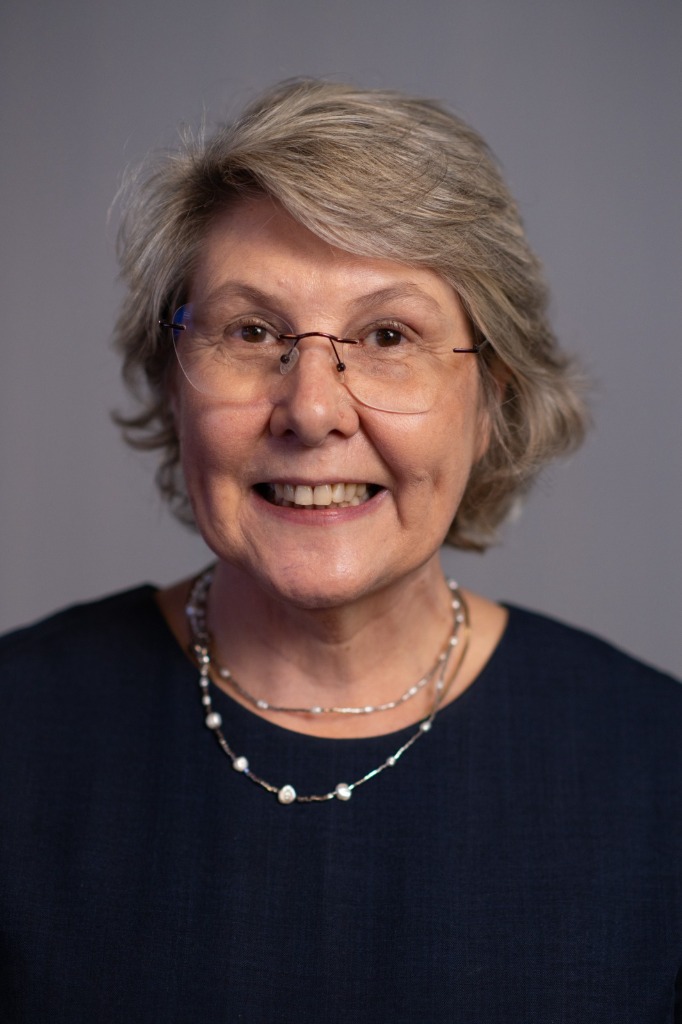
Maria Aparecida Ferreira de Mello. Graduated in Occupational Therapy (UFMG), Master's (SUNY), PhD (UNIFESP), and Post-Doctorate (University of Florida). She has 30+ years of experience in rehabilitation and gerontechnology. Creator of the CUIDAR Model, she unites science and humanity to transform longevity into a social bonus.
Whether to learn more about the methodology, certify your organization, or obtain consulting on the development of gerontechnologies.